Qila Mubarak (Faridkot Fort)
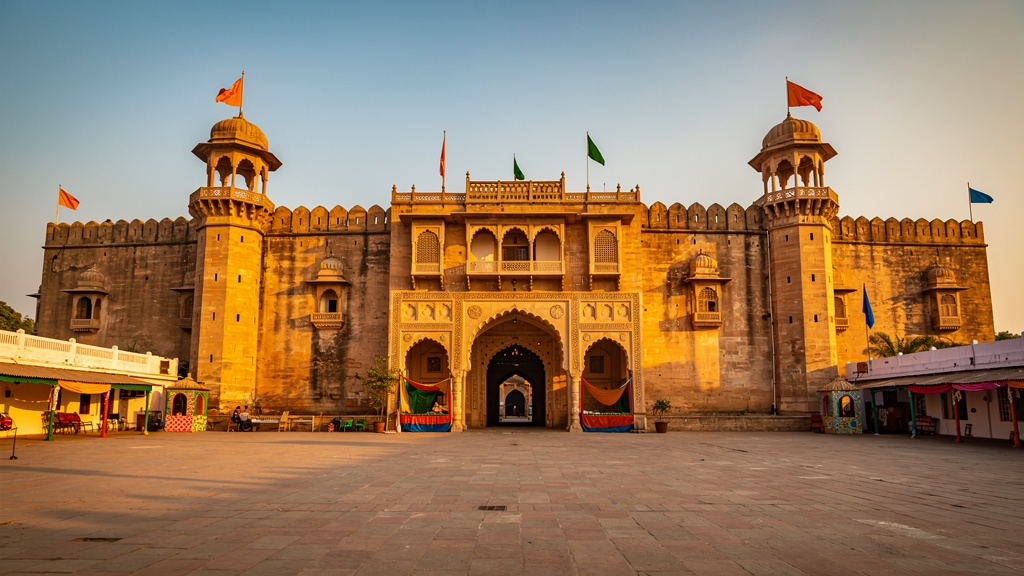
The magnificent Qila Mubarak stands as the crown jewel of Faridkot's royal legacy. Built in the 18th century under Maharaja Bikram Singh's patronage, this sprawling fort complex showcases a stunning fusion of Sikh and Mughal architectural styles.
Within its imposing walls lie the Sheesh Mahal (Palace of Mirrors), a durbar hall with intricate frescoes depicting scenes from Sikh history, royal chambers, and a small museum housing artifacts from the erstwhile princely state. The fort's bastions offer panoramic views of the town.
📍 Travel Tip
Visit in the late afternoon for the best golden-hour photography light on the sandstone facade. Hire a local guide at the entrance for deep historical insights.
Gurudwara Godari Sahib
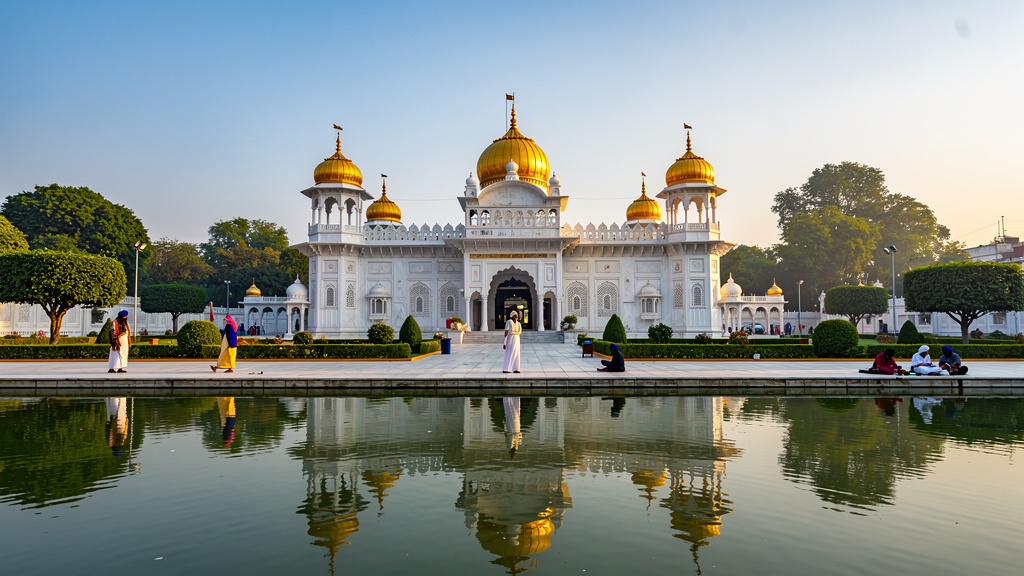
One of the most revered Sikh shrines in the Malwa region, Gurudwara Godari Sahib is deeply associated with Guru Gobind Singh Ji, the tenth Sikh Guru, who visited this site in 1705. The pristine white marble structure, adorned with golden domes, stands beside a sacred sarovar (holy water tank).
The gurdwara complex exudes a profound sense of peace. Devotees from across Punjab and beyond come to offer prayers, partake in the community langar (free meal), and seek spiritual solace. The architecture blends traditional Sikh design with elegant Mughal influences.
📍 Travel Tip
Experience the langar — a community kitchen serving free meals to all visitors regardless of faith. It's a beautiful example of Sikh hospitality (seva). Remember to sit on the floor and eat with your right hand.
Tilla Baba Farid Ji
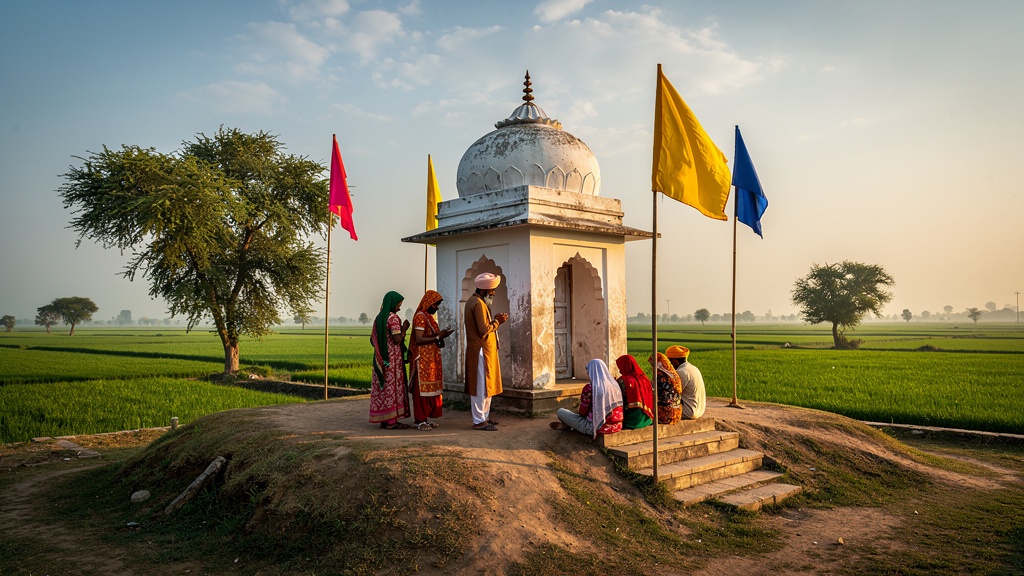
Perched on a gentle hillock surrounded by lush green fields, Tilla Baba Farid Ji is a sacred shrine dedicated to Baba Fariduddin Ganjshakar (1173–1266), the revered Sufi saint whose spiritual legacy is woven into the fabric of Punjab's syncretic culture. Baba Farid's verses are included in the Guru Granth Sahib.
The shrine is a beautiful white-domed structure with devotional flags fluttering in the breeze. Pilgrims from both Sikh and Muslim traditions visit to pay homage. The annual Farid Mela held here in September is the region's biggest cultural event.
📍 Travel Tip
The Farid Mela in September transforms the area into a vibrant fair with traditional music, bhangra performances, food stalls, and craft bazaars. Plan your visit around this festival for an unforgettable cultural experience.
Raj Mahal (Royal Palace)
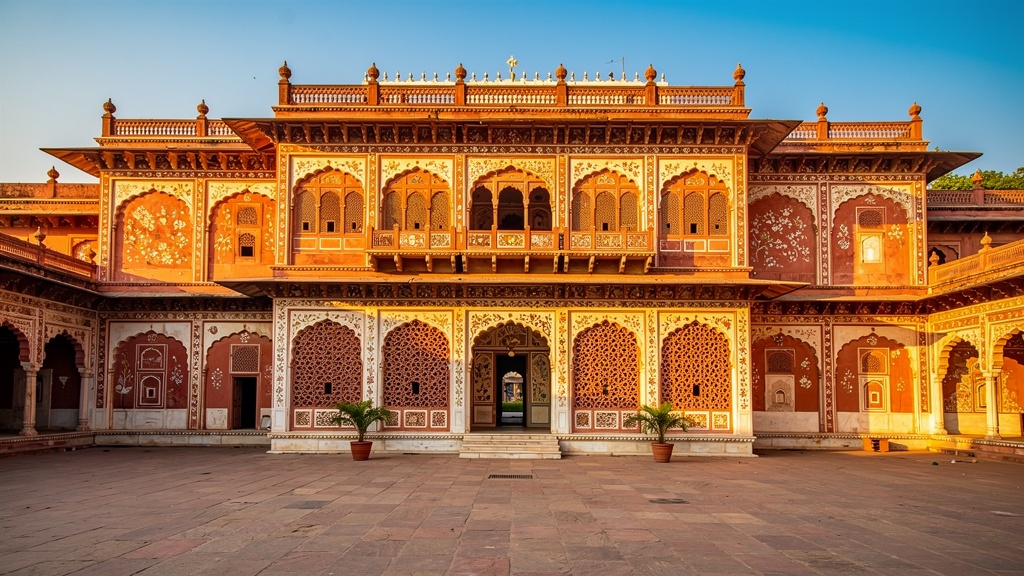
The Raj Mahal is an elegant former royal residence within Faridkot city, featuring exquisite Punjabi and colonial-era architecture. Built as the summer palace of the Faridkot royal family, it showcases ornate arched windows, carved wooden doors, and intricate stucco work.
Though not fully open to the public, the exterior and grounds offer excellent photo opportunities. The palace's blend of red sandstone and white marble, set against manicured gardens, makes it one of Faridkot's most photogenic landmarks.
📍 Travel Tip
Combine your visit to Raj Mahal with Qila Mubarak as they are within walking distance of each other. The area around these heritage structures is great for a short heritage walk through old Faridkot.
Other Notable Attractions
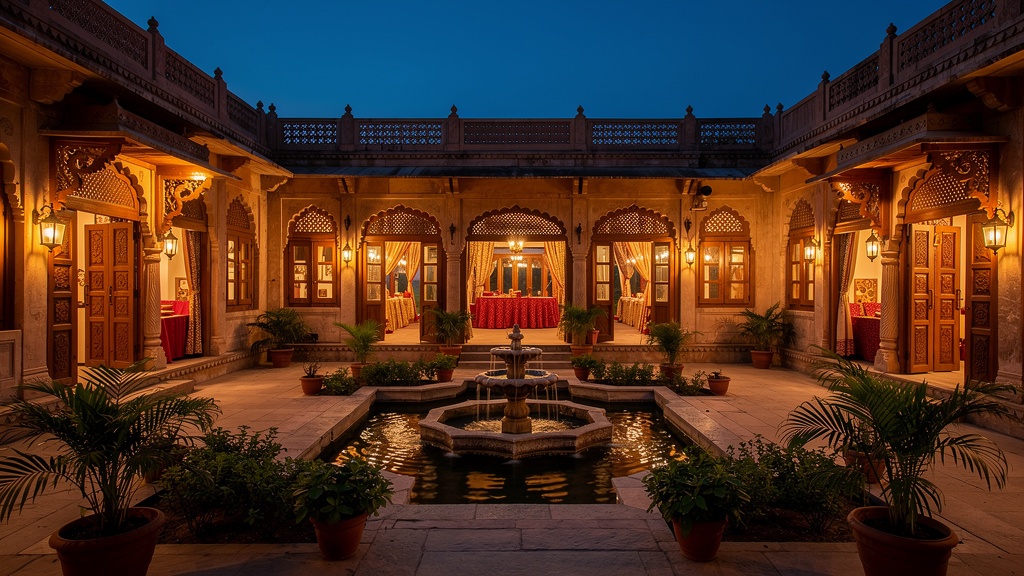
Taj Marriage Palace
A stunning example of modern Punjabi wedding architecture, the Taj Marriage Palace is an iconic landmark in Faridkot known for its grand scale and ornate design. It reflects the city's contemporary cultural life.
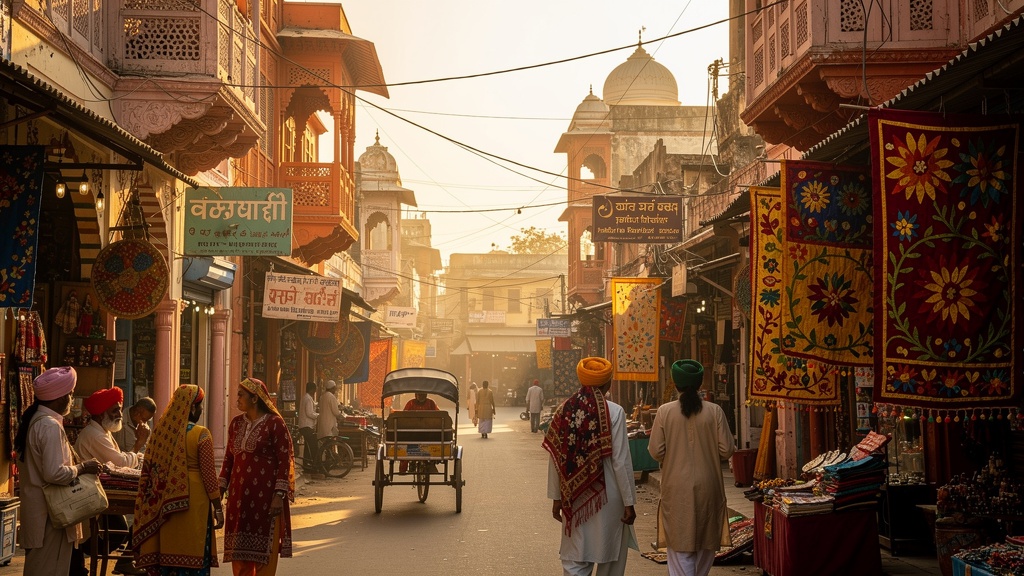
Faridkot Heritage Walk
Take a self-guided walk through the old city area, discovering colorful bazaars, traditional havelis, and century-old shops selling everything from phulkari embroidery to local sweets.
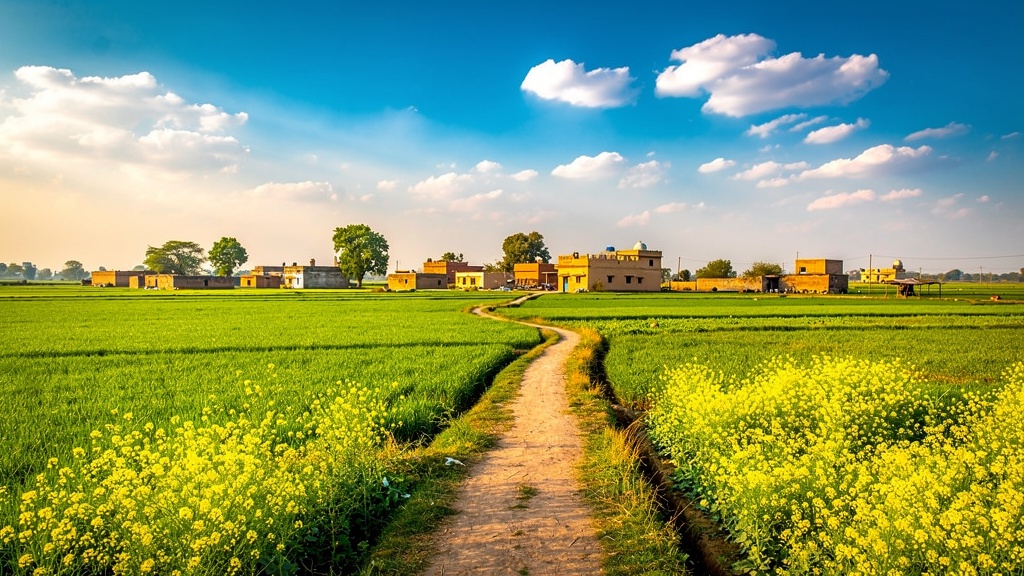
Day Trip: Kotkapura
Just 20 km from Faridkot, Kotkapura is famous for its legendary Atta Chicken — a must-try for food lovers. The town also has historic gurdwaras and a bustling local market.
Map of Faridkot
Use the map below to locate key attractions and plan your route around the city.